
How iVoiceUp turns speak-up culture into a practical, trusted process
In almost every organization, there is a moment when someone notices something that does not feel right.
It might be small at first. A comment that crosses a line. A policy workaround that keeps happening. A vendor request that feels off. Most people do what they think is safest: they pause, they weigh the consequences, and they stay quiet.
Not because they do not care. Because they do.
They care about their job. Their team. Their reputation. Their family. And sometimes they care about the organization too, enough to avoid being seen as the person who caused trouble.
Speak-up culture is built in that moment. Not in a policy document. Not in a poster. It is built when a person feels they can raise a concern safely, and when they trust that the organization will handle it fairly.
The Real Risk Is Not the Report
A common misconception is that the biggest risk is receiving too many reports. In reality, the bigger risk is receiving none.
When people do not report, issues do not disappear. They grow quietly, become normal, and eventually surface in the worst possible way: a resignation, a public incident, an audit finding, or a regulatory problem.
A strong speak-up program is a prevention mechanism. But prevention only works when two things are true:
• People trust the channel enough to use it.
• The organization has a real system to handle what comes next.
That is why iVoiceUp is built around three pillars: Detect, Handle, Analyze.
1) “What should be reported?” iVoiceUp makes it easier to do the right thing
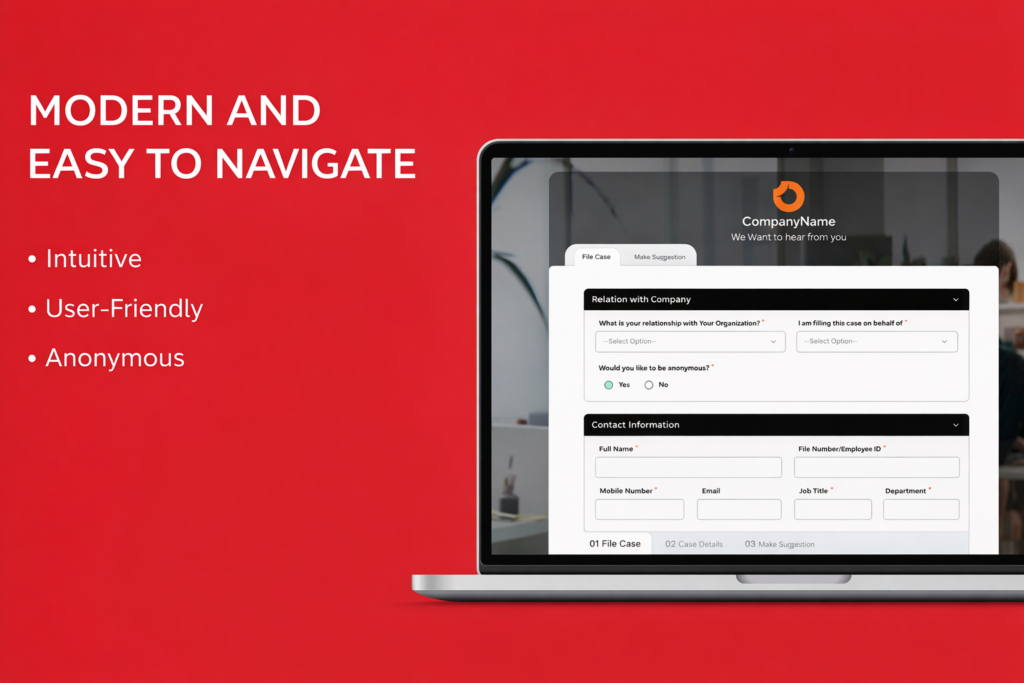
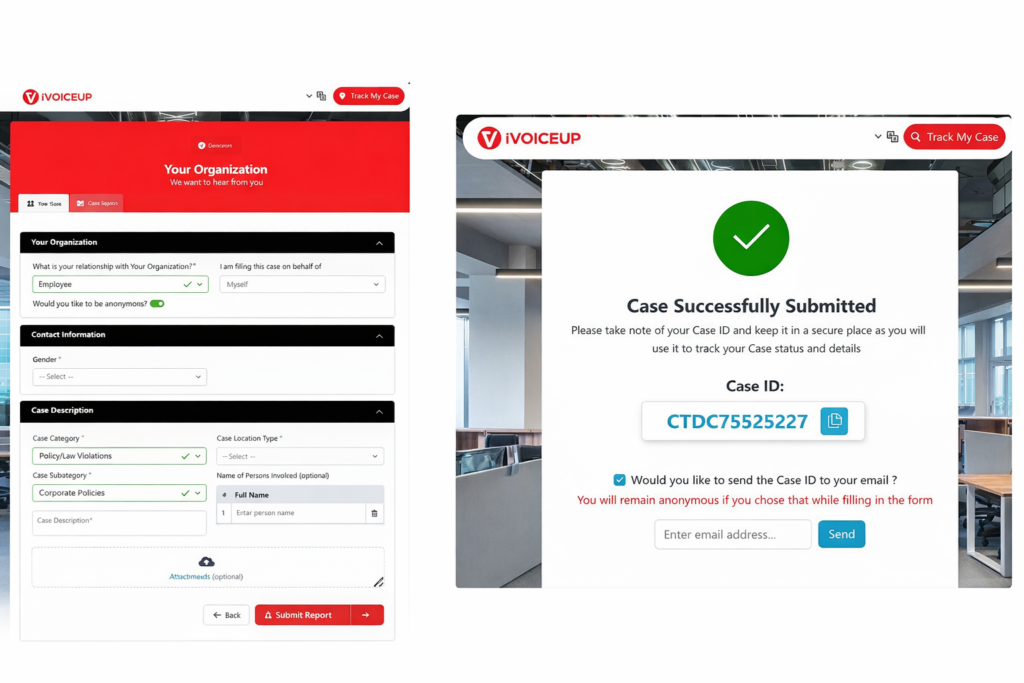
Even in strong organizations, many people hesitate because they are unsure what counts as reportable. iVoiceUp reduces that uncertainty by making reporting simple and structured – with clear categories (ethics, compliance, HR, workplace conduct, and more) and guided inputs that help stakeholders provide the right context from the start.
2) “Will anyone know it was me?” iVoiceUp protects anonymity and confidentiality by design
People do not need a promise. They need proof. iVoiceUp is designed to protect anonymity and confidentiality in practice, so stakeholders can raise concerns safely, and organizations can manage access responsibly.
That includes secure reporting, role-based access controls, and safe two-way follow-up so cases can be clarified without exposing the reporter.
3) “What happens after I submit a report?” iVoiceUp makes case handling structured and consistent
Many speak-up programs fail on credibility. Not because the reporting form is bad, but because the organization cannot respond consistently.
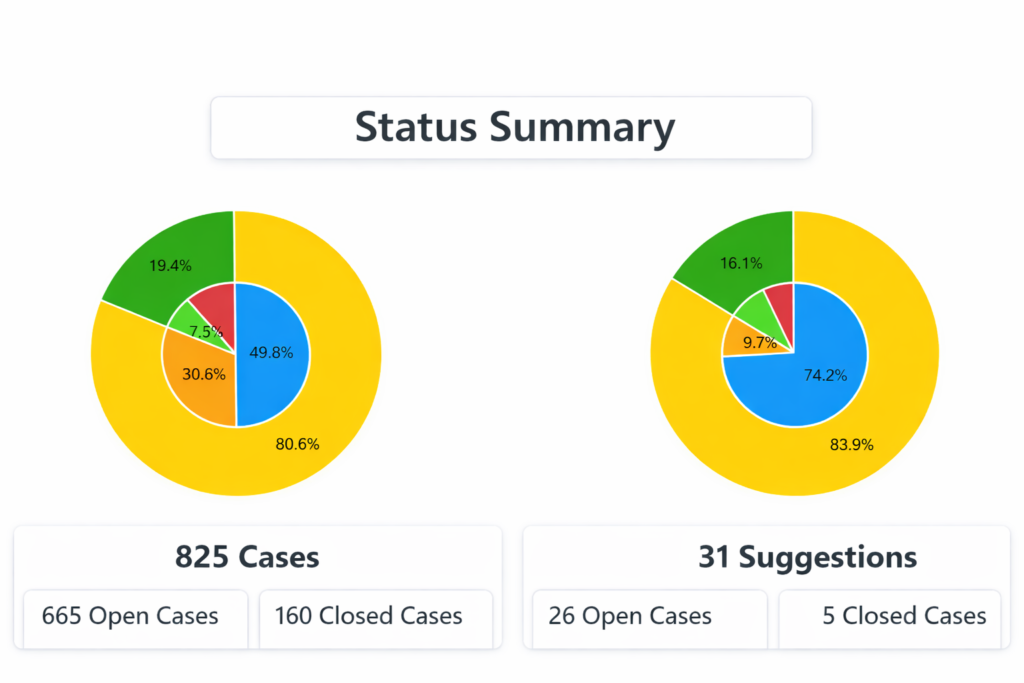
iVoiceUp supports structured case handling so cases do not disappear into email threads or spreadsheets. With case tracking, documented workflows, evidence management, and an audit trail, teams can investigate fairly and consistently and demonstrate that concerns are taken seriously.
4) “Is this improving anything?” iVoiceUp turns reports into insight and prevention
A mature speak-up program is not only about handling individual cases. It is about learningpatterns early and preventing repeat incidents.
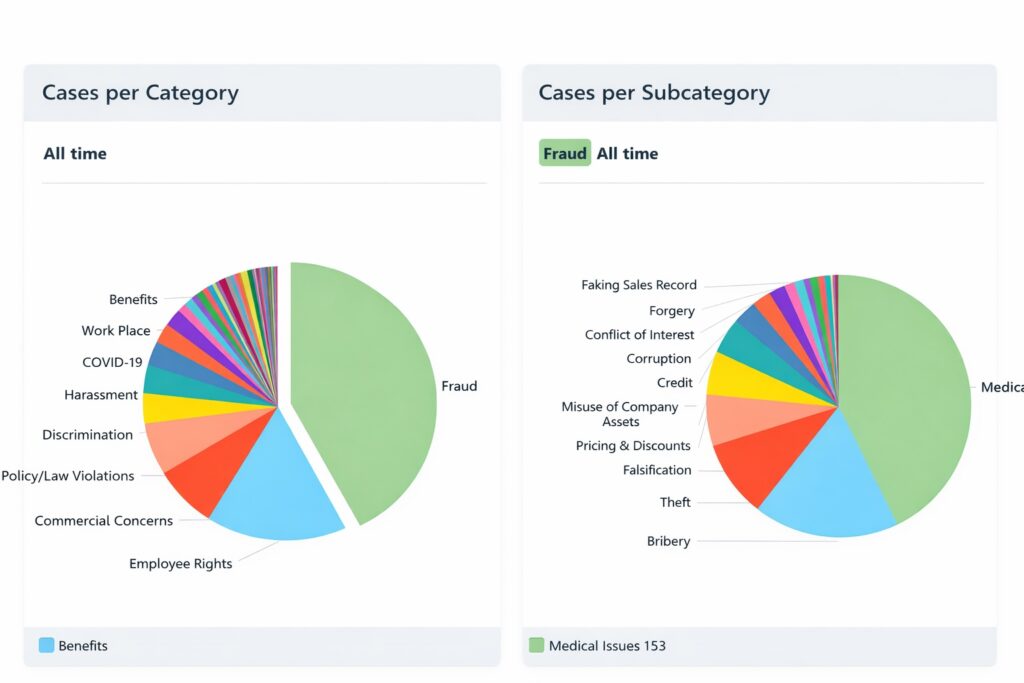
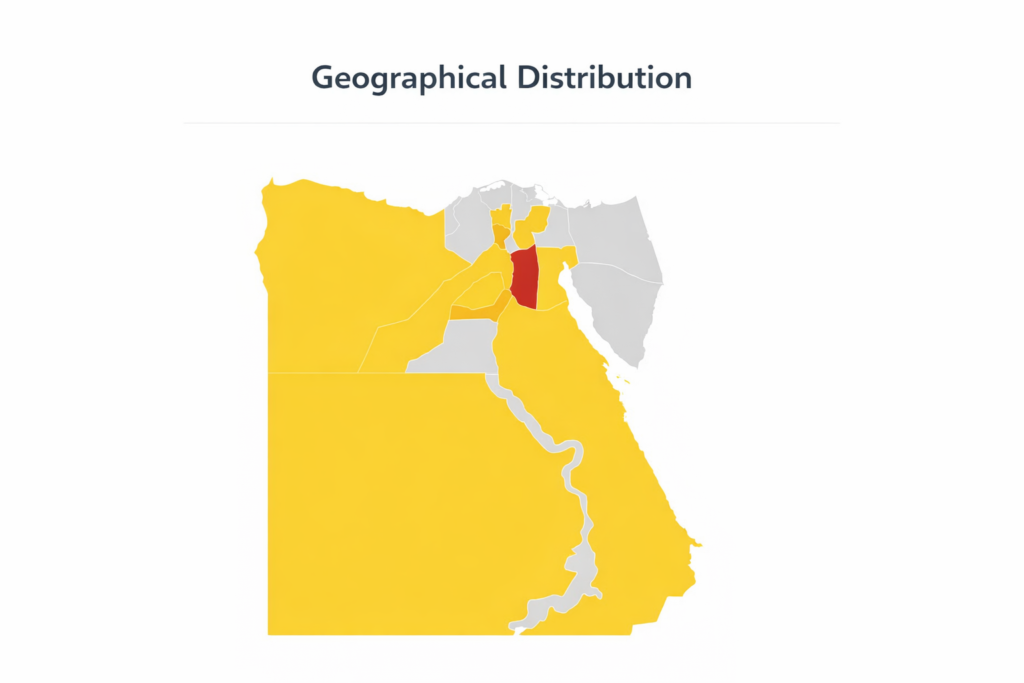
With trends, analytics, and heatmaps, iVoiceUp helps organizations identify recurring issues, hotspots, and early warning signals, so leaders can strengthen training, fix process gaps, and reduce risk before it escalates.
Awareness Is Not a Nice-to-Have
Even the best system will fail if people do not understand it. People need to know what should be reported, how confidentiality is protected, what happens after they submit, and why the organization truly wants to hear them.
Awareness turns a tool into a culture – and adoption is what makes the program real.
Update: Our Awareness Session with OneBank
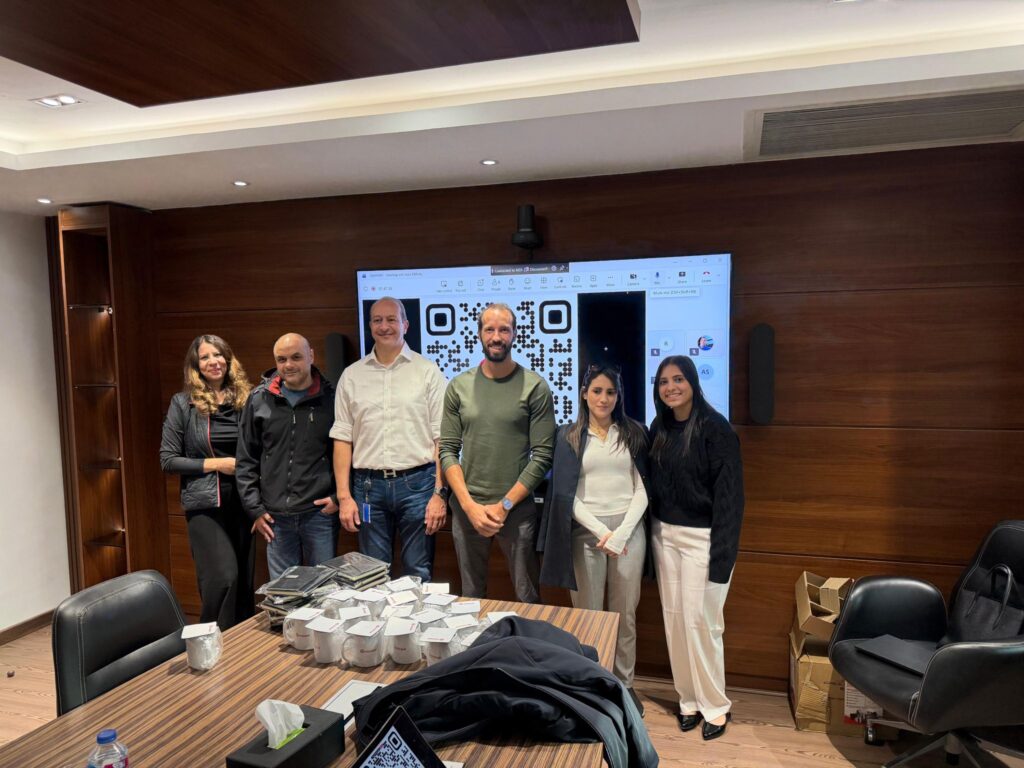
Last week, we had the pleasure of hosting an awareness session with OneBank to reinforce the importance of a strong speak-up culture and how employees can raise concerns safely and confidentially.
During the session, we walked through:
• What should be reported (ethics, compliance, HR and workplace conduct)
• How anonymity and confidentiality are protected
• What happens after a report is submitted, including case handling and two-way communication
• Why awareness matters as much as having the system in place
iVoiceUp is proud to support organizations in enabling stakeholders to engage safely, securely, and anonymously.